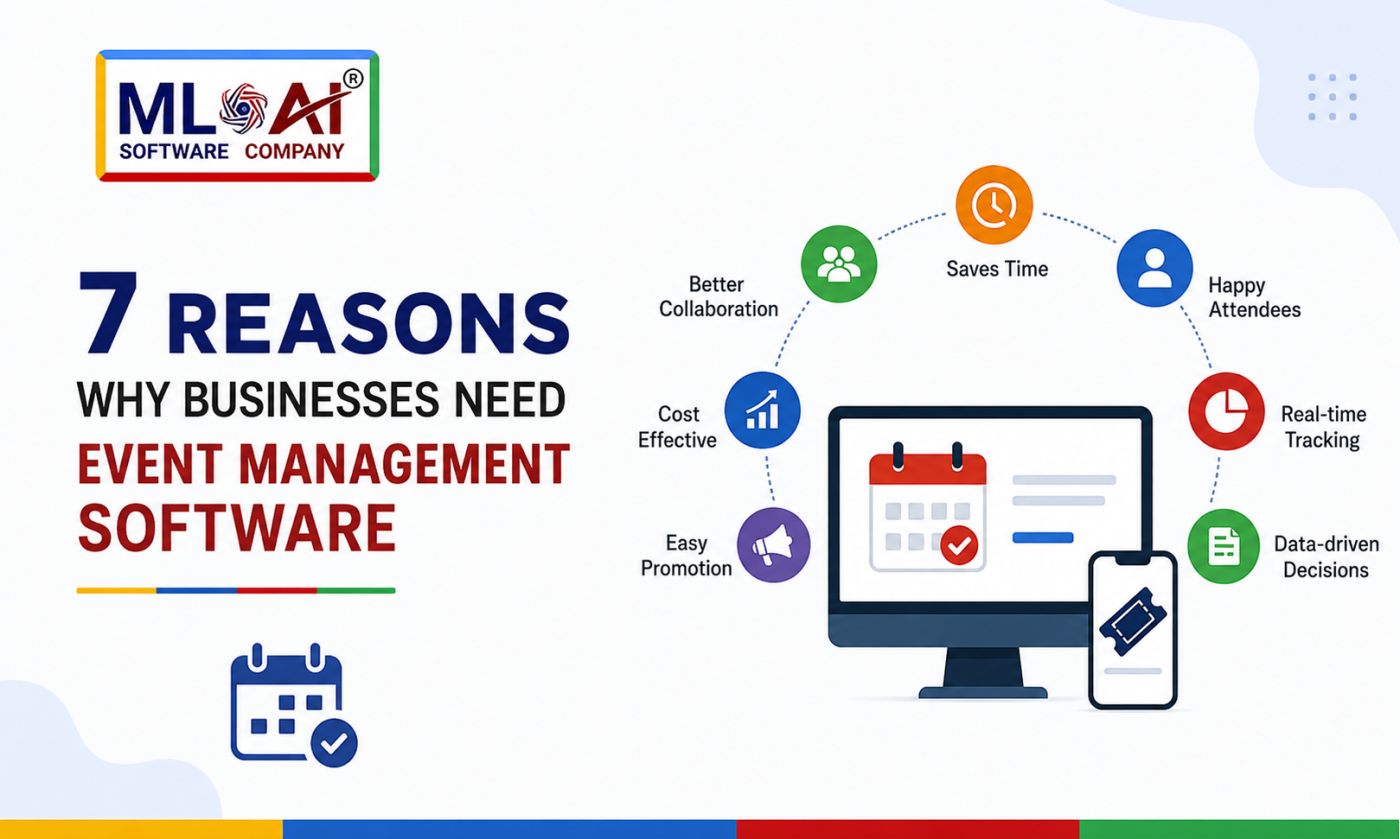
Planning a corporate event involves much more than choosing a venue and sending invitations. From registrations and attendee management to scheduling, communication, and post-event follow-ups, businesses need to handle multiple tasks at once. Managing everything manually can lead to delays, errors, and unnecessary costs.
This is where Event Management Software can make a significant difference. It brings important event-related activities into one digital platform, helping businesses plan, organize, and manage events more efficiently.
Also, Read more here - Top Event Management System Companies in India
Why Businesses Should Consider Using an Event Management System
1. Simplifies Event Planning
Event planning involves several moving parts, including schedules, registrations, speakers, venues, attendees, and budgets. Managing these tasks through spreadsheets, emails, and separate tools can quickly become complicated.
An event management system helps bring these activities together in one place. Teams can organize event details, track progress, and coordinate responsibilities without constantly switching between different platforms.
2. Makes Registration Easier
Manual registration can be time-consuming for both organizers and attendees. Businesses may have to manage forms, emails, attendee lists, and payment information separately.
With Event Management Software, businesses can create digital registration processes that make it easier for attendees to sign up. Organizers can also access updated registration information and monitor attendance more efficiently.
3. Improves Attendee Management
Keeping track of attendees is an important part of any successful event. Businesses need to know who has registered, who has attended, and sometimes which sessions or activities they have selected.
A centralized event management system allows organizers to maintain attendee information digitally. This can make check-ins faster and provide teams with better visibility into event participation.
4. Saves Time and Reduces Manual Work
Event teams often spend hours performing repetitive tasks such as updating attendee lists, sending reminders, preparing reports, and coordinating schedules.
Automation can reduce much of this manual workload. Businesses can use software to streamline registrations, notifications, check-ins, and reporting. As a result, employees can spend more time focusing on the attendee experience and overall event strategy.
5. Enables Better Communication
Clear communication is essential before, during, and after an event. Attendees may need updates about schedules, venues, speakers, sessions, or last-minute changes.
An event management system can help businesses manage event communications more efficiently. Automated reminders and timely updates can keep attendees informed while reducing the need for repeated manual emails.
6. Provides Useful Event Insights
Knowing how an event performed helps businesses improve future events. However, collecting and analyzing information manually can be difficult.
Modern Event Management Software can provide useful data related to registrations, attendance, participation, and other event activities. These insights can help businesses understand what worked well and identify areas that need improvement.
For example, if registration numbers are high but actual attendance is low, organizers can review their reminder and engagement strategies for future events.
7. Helps Deliver More Professional Events
A well-organized event creates a positive impression of the business. Delayed check-ins, confusing communication, missing attendee information, or scheduling problems can negatively affect the overall experience.
Using an event management system helps businesses create a more organized and professional event journey. From registration to check-in and post-event engagement, digital processes can make interactions smoother for both organizers and attendees.
Also, Read more here - How Event Management Software Improves Corporate Training?
Why Choose a Digital Event Management Approach?
As businesses organize conferences, workshops, seminars, training programs, product launches, and corporate gatherings, managing events manually becomes increasingly challenging. A centralized digital solution can help teams stay organized while improving efficiency and attendee engagement.
mlaievent helps businesses take a more structured approach to event planning and management. Instead of relying on disconnected spreadsheets and manual processes, businesses can use technology to manage important event activities from a centralized platform.
Conclusion
An event is successful when planning, execution, and attendee experience come together smoothly. Event Management Software can help businesses simplify planning, improve registration, manage attendees, automate repetitive tasks, strengthen communication, and gain valuable insights.
For businesses that regularly organize events, adopting an event management system is not just about going digital—it is about making event management more efficient, organized, and scalable.